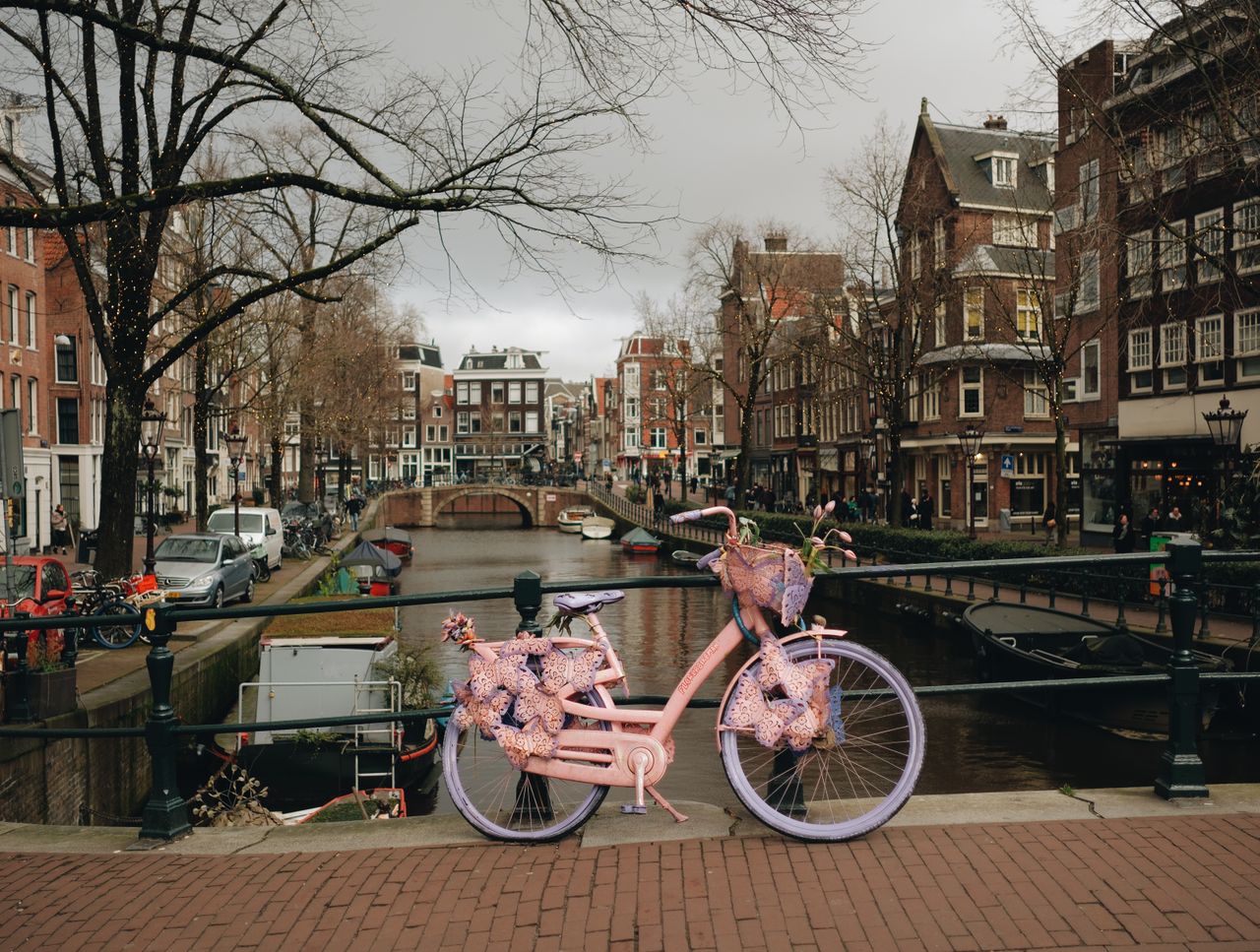
Amsterdam in numbers
Neighbourhoods at a glance
Narrow canals, brown cafés and markets. Picture-perfect and in high demand.
Lively, young and international, around the Albert Cuyp market.
Spacious streets, Oosterpark and a mix of families and young professionals.
Across the IJ by free ferry: creative hubs, more space, newer housing.
Leafy and upmarket, close to the Vondelpark and the Zuidas business district.
Westerpark and the Westergas culture park, with good-value pockets.
Getting around
- 1Bike first
Most trips are faster by bike. Use two locks; bike theft is common.
- 2Tram and metro
GVB runs trams, buses, metro and the free ferries. The North-South metro line links Noord, the centre and Zuid.
- 3Pay with OVpay
Check in and out with your contactless bank card or phone. See public transport in the Netherlands.
- 4Skip the car
Parking is scarce and expensive; many residents wait years for a permit.
What drives the cost of living
Housing is the dominant cost and the hardest part of moving here. Expect competition for every listing, and know the rent rules before you sign: many rents are capped by a points system. Groceries cost about the same as elsewhere in the country; eating out and housing are where Amsterdam is expensive.
What locals still love
- An early-morning walk along the Prinsengracht, before the crowds.
- The Rijksmuseum, Van Gogh Museum, Stedelijk and the Anne Frank House (book online).
- Vondelpark in summer, Westerpark for festivals, Amsterdamse Bos for long walks.
- Ferry to NDSM in Noord for street art and waterfront cafés.
- King's Day on 27 April, when the whole city turns orange.
Sources
This article is based on these official pages. If anything here differs from them, the official page is right.
Ready to run your own numbers?
Monthly budget calculator