What is on the bill
- Supply (levering)
- The price per kWh and per m³ gas from your supplier.
- Energy tax (energiebelasting)
- Tax per kWh and m³, collected by your supplier.
- Tax credit (vermindering energiebelasting)
- A fixed yearly discount per home connection that lowers the energy tax.
- Network costs (netbeheerkosten)
- For the grid operator, the same whichever supplier you choose.
- Fixed delivery costs
- A monthly fee from the supplier.
- VAT
- 21% on top of everything.
Choosing a contract
| Fixed | Variable | Dynamic | |
|---|---|---|---|
| Price | Locked for 1 to 5 years | Can change, usually monthly | Changes every hour (electricity) or day (gas) |
| Good for | Certainty | Flexibility, no exit fee | Using power when it is cheap: EV, heat pump, battery |
| Watch out for | Early termination fee | Price rises | Expensive evening peaks |
Advance payments and the annual bill
- 1Monthly advance (termijnbedrag)
An estimate of your usage, paid every month.
- 2Annual settlement (jaarafrekening)
Once a year your real usage is compared: you get money back or pay extra.
- 3Adjust the advance
If your usage changes, adjust the monthly amount in the supplier app to avoid a big bill.
Ways to save
- Compare contracts when your fixed term ends; staying silent often means a more expensive variable rate.
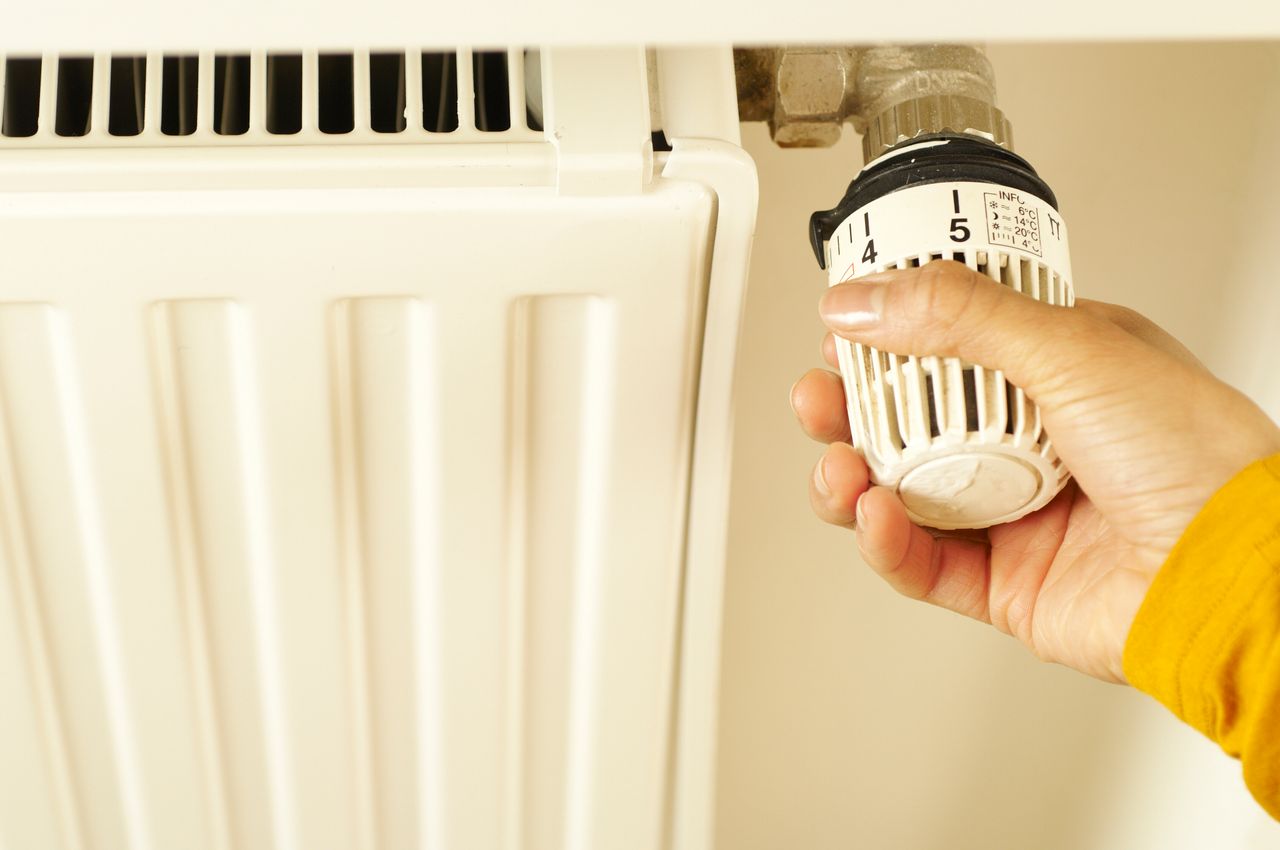
- Turn the thermostat down by one degree, and use radiator foil and draught strips.
- Ask your municipality about energy-saving help; many offer free advice or small subsidies.
- Low income? Ask about an exemption from municipal taxes and check allowances.
Thinking about solar panels? Read solar panels in the Netherlands first: net metering ends on 1 January 2027.
Sources
This article is based on these official pages. If anything here differs from them, the official page is right.
- Energie thuis (Rijksoverheid) (in Dutch)